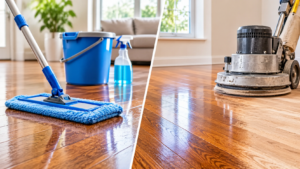
The best cleaning schedule for a small office depends on its size, number of employees, and daily foot traffic. Most small offices benefit from daily cleaning of trash bins, restrooms, breakrooms, and high-touch surfaces, followed by weekly floor cleaning and dusting. Monthly maintenance should cover vents, baseboards, and overlooked areas, while professional carpet and floor care can be scheduled once or twice a year based on usage.
Key Takeaways
- Daily: Remove trash, clean high-touch surfaces, and maintain restrooms and breakrooms.
- Weekly: Vacuum carpets, mop hard floors, dust furniture, and clean interior glass.
- Monthly: Check HVAC filters, dust vents, clean baseboards, and maintain upholstery.
- As needed: Address spills, restroom supplies, and heavily used entryways throughout the day.
- Once or twice a year: Schedule professional carpet and hard-floor deep cleaning based on traffic and flooring conditions.
- Stay consistent: Use a posted office cleaning checklist with assigned responsibilities to prevent missed tasks.
Why Your Small Office Needs a Set Cleaning Schedule
A small office may have fewer employees than a large workplace, but shared spaces still accumulate dirt, dust, and germs throughout the day. Employees regularly touch the same door handles, printer buttons, restroom fixtures, and kitchen appliances.
Without a consistent cleaning routine, trash bins overflow, restroom supplies run out, and dirt builds up on floors and furniture. These problems can affect workplace comfort, create unpleasant odors, and make the office look unprofessional to visiting clients.
A structured commercial cleaning schedule prevents these issues by assigning specific tasks to daily, weekly, and monthly routines. It also helps business owners decide which responsibilities employees can handle and which require professional cleaners.
Daily Cleaning Tasks
Daily cleaning focuses on frequently used areas, visible dirt, and shared facilities. These tasks help maintain basic workplace hygiene and prevent dirt and waste from accumulating.
Clean and Maintain High-Touch Surfaces
Door handles, light switches, shared printers, conference room tables, and coffee maker buttons receive frequent contact throughout the day.
Clean these high-touch surfaces daily, or more often in busy offices. Use an appropriate disinfectant when necessary, particularly when someone has been ill or during periods of increased illness. Follow the product label for contact time and surface compatibility.
Workstation cleaning should also be part of the routine. Encourage employees to clean their keyboards, mice, and phones regularly using manufacturer-approved products or suitable electronics wipes. Avoid spraying liquids directly onto electronic equipment.
Sanitize Restrooms and Refresh the Breakroom
Restrooms and breakrooms need daily attention because employees share these facilities throughout the workday.
Daily restroom cleaning should include:
- Cleaning and disinfecting toilets, sinks, faucets, and frequently touched fixtures.
- Wiping mirrors and counters.
- Cleaning visible dirt from restroom floors.
- Emptying trash bins and replacing liners.
- Restocking toilet paper, paper towels, and hand soap.
For breakroom hygiene, wipe countertops, tables, cabinet handles, and appliance surfaces. Clean the microwave, manage dirty dishes, and empty the kitchen trash.
Check the refrigerator for spoiled food and spills. Encourage employees to remove personal food items regularly to prevent odors and unnecessary clutter.
Handle Trash Removal and Entryway Cleaning
Empty trash and recycling bins daily, especially in restrooms, kitchens, and shared work areas. Replace liners and clean bins when spills or residue appear.
Entryways and main walkways also need attention because employees and visitors bring dirt, dust, and moisture inside on their shoes.
Vacuum entrance carpets and remove visible debris from hard floors. During rainy or snowy weather, check these areas more frequently to prevent dirt buildup and reduce slip hazards.
Check for Spills and Midday Cleaning Needs
Some cleaning tasks cannot wait until the end of the day. Address spills, overflowing trash, restroom supply shortages, and visibly dirty shared surfaces as they occur.
Busy offices may also benefit from a quick midday restroom inspection and breakroom wipe-down. These checks help maintain cleanliness between scheduled cleaning sessions.
Weekly Cleaning Tasks
Weekly cleaning addresses dirt and dust that accumulate more gradually. These tasks cover larger areas and help maintain floors, furniture, and shared office spaces.
Vacuum and Mop Office Floors
Complete a thorough round of carpet vacuuming, including areas under desks, along walls, and around furniture where dust and debris collect.
Pay particular attention to entrance carpets, hallways, and conference rooms. Offices with heavy foot traffic may need these areas vacuumed more frequently than once a week.
For hard floors, mop kitchens, restrooms, and common areas using a cleaner suitable for the flooring material. Avoid excessive moisture on wood and other moisture-sensitive surfaces.
Dust Furniture and Clean Interior Glass
Dust desks, shelves, windowsills, cabinets, and other accessible surfaces from top to bottom. This helps prevent dust from settling on areas that have already been cleaned.
Clean interior glass doors, windows, partitions, and conference room surfaces to remove fingerprints and visible marks.
Whiteboards should also be wiped down when needed so meeting spaces remain presentable.
Clean the Refrigerator and Manage Office Clutter
Set aside time each week to clean the office refrigerator. Friday is a convenient option because employees can remove leftover food before the weekend.
Wipe refrigerator shelves, clean visible spills, and discard expired or abandoned food according to office policies.
Encourage employees to clear unnecessary papers, mugs, food wrappers, and personal clutter from their workstations. Organized desks make routine cleaning easier and help cleaners reach surfaces that would otherwise remain covered.
Monthly Cleaning Tasks
Monthly maintenance focuses on areas that do not require daily or weekly attention but still accumulate dust, dirt, and grime over time.
Maintain HVAC Filters and Improve Indoor Air Quality
Dust can collect around air vents, ceiling fans, and blinds, eventually settling on office surfaces.
Dust accessible vents, ceiling fans, and blinds as needed. Check HVAC filters monthly for visible dirt or clogging, but replace them according to the manufacturer’s recommendations rather than automatically changing them every month.
Filter replacement intervals vary depending on the system, filter type, operating conditions, and indoor environment.
Keeping vents and filters properly maintained supports HVAC performance and helps manage airborne dust and particles.
Clean Overlooked Office Areas
Some surfaces receive little attention during routine cleaning but gradually collect dirt and dust.
Include these areas in the monthly cleaning checklist:
- Baseboards and door frames.
- Chair legs and furniture edges.
- Cabinet interiors and accessible storage areas.
- Window tracks and blinds.
- Upholstered office chairs and fabric furniture.
- Areas behind frequently moved furniture.
Vacuum upholstered furniture and address stains using products suitable for the fabric. Regular maintenance helps prevent dirt from becoming embedded in upholstery.
How Office Size and Foot Traffic Affect Cleaning Frequency
Not every small office needs the same cleaning schedule. A five-person office with occasional visitors has different requirements from a 15-person workplace that receives clients throughout the day.
Consider these general planning guidelines when deciding how frequently to clean.
Low-Traffic Offices
Small offices with a few employees and limited visitors may need:
- Daily trash removal and basic restroom checks.
- Regular cleaning of high-touch and shared surfaces.
- Weekly general floor cleaning and dusting.
- Monthly maintenance of overlooked areas.
Moderate-Traffic Offices
Offices with regular employee activity and occasional client visits may benefit from:
- Daily cleaning of restrooms, breakrooms, and shared surfaces.
- More frequent attention to entryways and high-use floors.
- Weekly vacuuming, mopping, and furniture cleaning.
- Monthly upholstery and detailed surface maintenance.
High-Traffic Offices
Small offices with frequent visitors, shared workstations, or busy customer-facing areas may require:
- Daily professional cleaning.
- Additional restroom inspections throughout the day.
- More frequent cleaning of entrance carpets and shared facilities.
- Regular disinfection of high-touch surfaces when appropriate.
- More frequent professional floor and carpet maintenance.
These are general guidelines rather than mandatory industry standards. Adjust the schedule based on actual office usage, sanitation requirements, and the condition of the workplace.
Twice-a-Year Deep Cleaning
Routine cleaning handles everyday dirt, but some flooring and upholstery need more intensive maintenance.
Many small offices can use one or two professional carpet deep-cleaning sessions per year as a starting point. However, busy entryways, hallways, and breakrooms may need more frequent attention.
Professional carpet cleaning removes embedded dirt and soil that regular vacuuming cannot fully eliminate. The appropriate cleaning method depends on the carpet material, manufacturer recommendations, and level of use.
Hard floors also benefit from periodic professional maintenance.
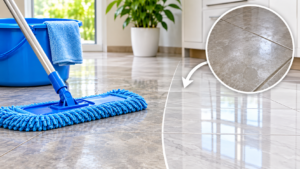
Schedule tile and grout cleaning for restrooms, kitchens, and other tiled areas where grout lines collect dirt that routine mopping may not remove.
The timing of professional floor care should depend on flooring type, foot traffic, visible buildup, and maintenance requirements rather than following a fixed calendar alone.
How to Keep Your Office Cleaning Checklist on Track
Even the best cleaning schedule for a small office only works when employees and cleaning staff follow it consistently.
A posted office cleaning checklist makes responsibilities clear and helps business owners identify tasks that need attention.
Consider these steps to keep the schedule organized:
- Assign responsibilities: Give each daily, weekly, and monthly task an owner.
- Create a cleaning checklist: List specific tasks instead of using general instructions such as clean the kitchen.
- Set completion times: Establish when tasks should be completed, particularly for restrooms and shared facilities.
- Track completed work: Use a sign-off sheet or digital checklist to record completed tasks.
- Review the schedule: Adjust cleaning frequency when employee numbers, office traffic, or facility usage changes.
- Outsource demanding tasks: Assign specialized floor care, carpet cleaning, and detailed commercial cleaning to professionals.
If routine cleaning becomes difficult to manage internally, hiring a professional cleaning crew can help maintain consistent workplace standards.
Understanding what commercial cleaning includes can help you determine which tasks to outsource and which responsibilities your employees can reasonably handle.
Frequently Asked Questions About Small Office Cleaning
How often should I clean my small office?
Most small offices benefit from daily cleaning of restrooms, breakrooms, trash bins, and frequently touched surfaces. Floors, furniture, and other areas should receive more thorough cleaning weekly, while detailed maintenance can be scheduled monthly.
Offices with frequent client visits or high employee occupancy may need professional cleaning two or three times a week, or even daily.
What belongs on a daily office cleaning checklist?
A daily office cleaning checklist should include:
- Emptying trash and recycling bins.
- Cleaning frequently touched surfaces.
- Cleaning and restocking restrooms.
- Wiping breakroom counters and shared appliances.
- Addressing spills and visible dirt.
- Checking entryways and main walkways.
These tasks help control dirt, odors, and the buildup of germs in frequently used office areas.
How many times a week should a small office be professionally cleaned?
The ideal frequency depends on the number of employees, visitors, and shared facilities.
A low-traffic office may need professional cleaning once a week, while a moderately busy workplace may benefit from two or three visits. High-traffic offices may require daily professional cleaning to maintain consistent standards.
Should employees clean their own desks?
Employees should handle basic workstation maintenance, such as organizing personal items, removing food waste, and regularly cleaning keyboards, mice, and phones with suitable products.
Professional cleaners should generally handle floors, restrooms, shared spaces, and more demanding cleaning tasks.
Is it better to clean an office during or after business hours?
After-hours cleaning usually works best because employees can continue working without interruptions from vacuuming, wet floors, or cleaning equipment.
However, busy offices may still need quick restroom inspections, spill cleanup, and breakroom maintenance during business hours.
What areas of an office need professional deep cleaning?
Professional deep cleaning is particularly useful for carpets, upholstery, tile grout, hard floors, and other areas where dirt accumulates beyond what routine cleaning can remove.
Restrooms, kitchens, entrance areas, and frequently used conference rooms may need more intensive attention depending on their condition and usage.
How much does office cleaning cost for a small business?
Office cleaning costs depend on square footage, cleaning frequency, location, facility condition, and the services included in the agreement.
Daily cleaning, restroom sanitation, carpet care, and specialized floor treatments may affect the overall price.
Review our guide on how much a cleaning service costs to understand the factors that influence professional cleaning prices and plan your office maintenance budget.